

NEWS & INSIGHTS
Refrigerated Vehicle Compartment Maintenance: 8 Key Points to Check

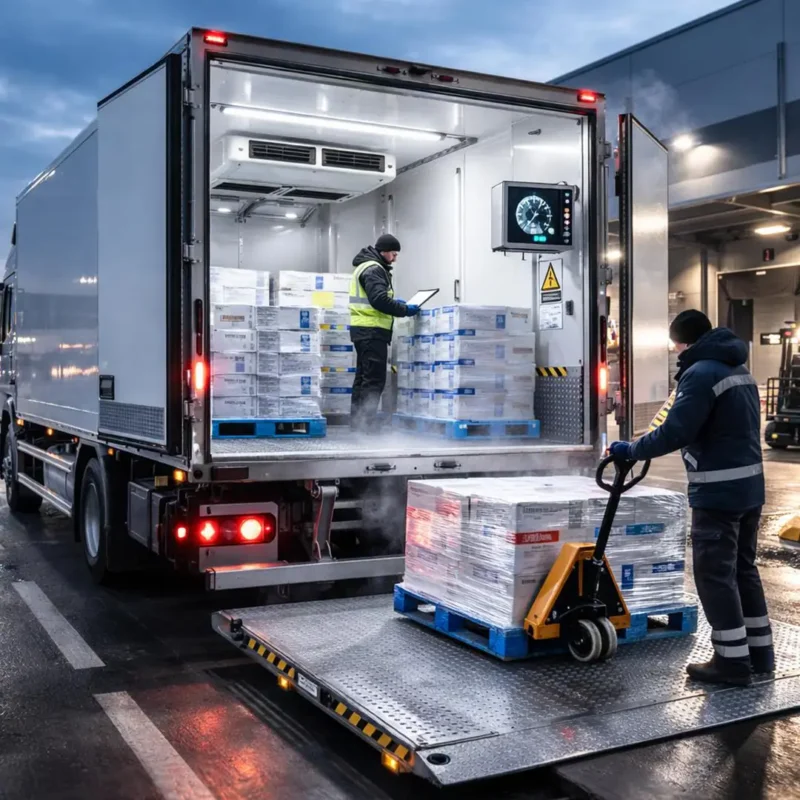
A refrigerated vehicle is an essential tool for businesses transporting food, frozen products and other goods that require controlled temperature conditions.
Daily operation, however, places considerable demands on both the refrigerated compartment and its equipment. Continuous driving, vibrations, loading and unloading, frequent door openings and high ambient temperatures can gradually cause wear and damage.
Proper preventive maintenance helps identify problems early and contributes to the reliable day-to-day operation of the vehicle.
Here are eight key areas worth checking regularly.
- Check the door seals
Door seals may be a relatively small component, but they play an important role in a refrigerated compartment.
When properly fitted, they help minimise air exchange between the interior and the external environment.
Over time, seals may develop tears, deformation or normal wear.
Regularly check for:
- visible tears or damage,
- correct contact around the entire perimeter,
- gaps when the door is closed,
- areas where sealing performance has deteriorated.
A damaged seal can place additional demand on the refrigeration system and make it more difficult to maintain the required conditions inside the compartment.
- Check doors, hinges and locks
The doors of a commercial refrigerated vehicle may be opened and closed dozens of times during a single day.
Hinges, locks, handles and retaining mechanisms therefore require regular inspection.
A door that has lost its correct alignment may no longer close properly, affecting both the functionality and sealing of the refrigerated compartment.
Do not wait until a door stops closing altogether. Minor misalignment or wear is best addressed at an early stage.
- Inspect the internal surfaces
Loading and unloading can easily cause impacts and damage to the internal walls.
Boxes, pallets, trolleys and other cargo can gradually damage the surfaces.
Check the compartment for:
- impacts and dents,
- cracks,
- delamination,
- damaged joints,
- areas where moisture could penetrate.
Repairing minor damage early can prevent it from developing into a larger problem.
- Inspect the floor carefully
The floor is often the part of the refrigerated compartment subjected to the greatest daily wear.
Cargo weight, movement of products, moisture and frequent cleaning create demanding operating conditions.
Look for cracks, worn areas, deformation or places where water collects.
A floor in good condition also makes proper cleaning of the cargo area easier.
- Keep drainage points clear
If the refrigerated compartment has a drainage system or water outlets, these should be kept clean and unobstructed.
Dirt and debris can prevent water from draining properly after cleaning.
Standing water inside the compartment is undesirable, particularly in vehicles used daily for food transportation.
A quick inspection after washing can help identify drainage problems early.
- Don’t neglect regular cleaning
Cleanliness is essential in any commercial vehicle used to transport food.
Particular attention should be paid to corners, joints, doors, floors and other difficult-to-reach areas.
Cleaning products and procedures should be appropriate both for the vehicle’s intended use and for the materials used on its internal surfaces.
Regular cleaning also provides an excellent opportunity to visually inspect the compartment and identify minor damage that might otherwise go unnoticed.
- Monitor the refrigeration unit
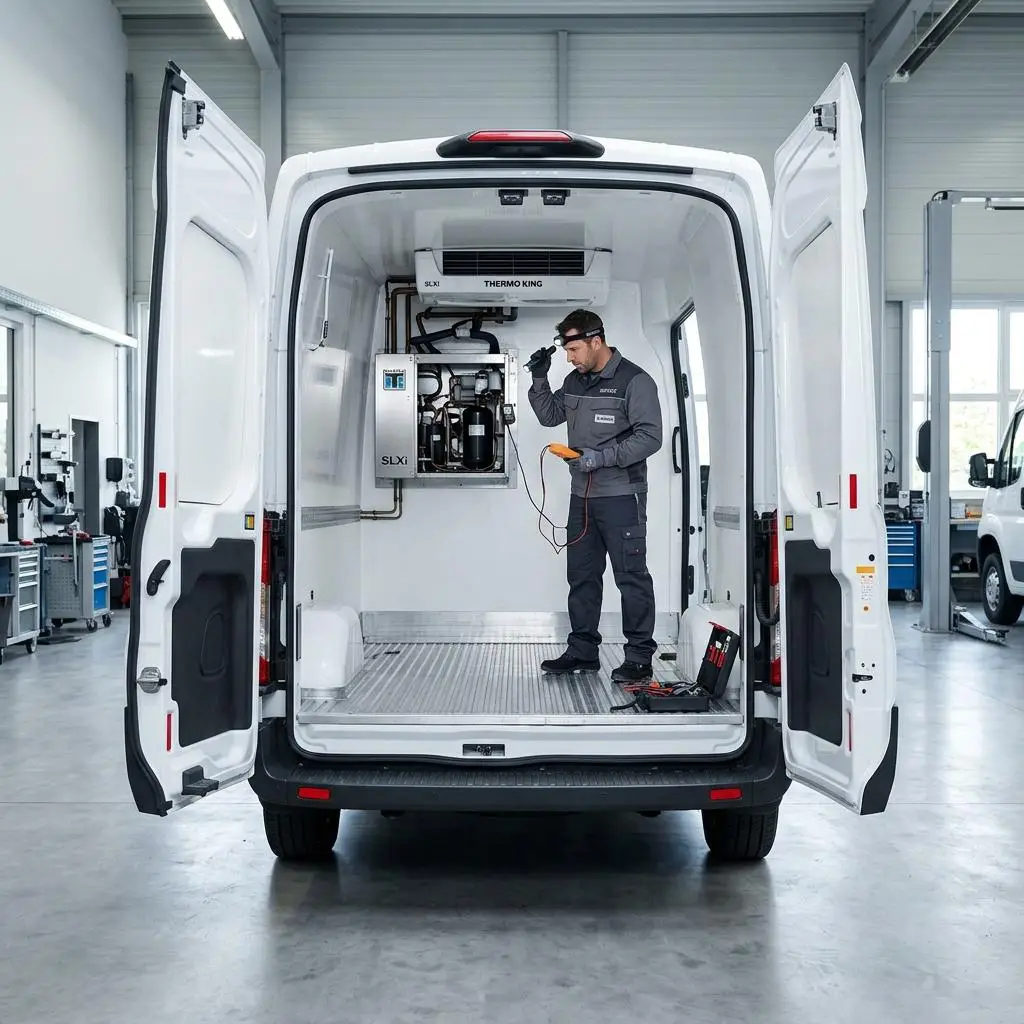
The vehicle’s refrigeration unit requires scheduled maintenance in accordance with the manufacturer’s instructions.
However, there are also warning signs that drivers and operators can identify during everyday use, including:
- unusual noises,
- difficulty reaching the required temperature,
- longer operating times than usual,
- sudden or unexplained temperature fluctuations.
These signs do not necessarily indicate a serious fault, but they should be inspected by a qualified technician.
Preventive maintenance can reduce the risk of an unexpected vehicle breakdown during a demanding day of deliveries.
- Carry out a comprehensive inspection before summer
High ambient temperatures place additional demands on commercial refrigerated vehicles.
The period before summer is therefore an ideal time for a more comprehensive inspection.
Check the condition of the compartment, doors, seals and refrigeration system before the high-temperature, high-demand season begins.
For businesses with significant seasonal activity, a similar inspection is advisable before each period of increased workload.
How often does a refrigerated compartment need maintenance?
There is no single maintenance schedule suitable for every vehicle and every application.
A refrigerated van making dozens of deliveries each day is subjected to different operating conditions from a larger refrigerated vehicle completing fewer, longer journeys.
Regular visual inspections by the operator should be combined with the scheduled technical maintenance of the equipment.
Small changes in the vehicle’s operation should not be ignored. A worn seal, loose hinge or minor internal damage is generally much easier to repair when identified early.
Proper maintenance protects your investment
A refrigerated vehicle compartment is a professional asset expected to perform reliably every day.
Proper maintenance is not simply about repairing faults. It is about prevention, regular inspections and addressing normal wear before it develops into a larger issue.
This can help extend the service life of the conversion, support reliable equipment operation and reduce unexpected problems that could disrupt your delivery schedule.
Does your refrigerated vehicle need an inspection or repair?
If you have noticed damage to the refrigerated compartment, problems with the doors or seals, or simply want to arrange a preventive inspection, contact our team.
We can assess the condition of your refrigerated compartment and recommend the appropriate solution based on your vehicle and business requirements.
Contact us for more information or to schedule an inspection of your refrigerated vehicle.